





Martin Rosenkranz
Editor
Martin Rosenkranz (born 1968 in Vienna) is a journalist and self-taught specialist in aviation, military and technology topics. He was Editor-in-Chief of the aviation portal www.airpower.at. For many years he covered the tender and procurement of the Eurofighter Typhoon and its aftermath as a journalist, visited military units and defence companies at home and abroad, and was invited to specialist seminars.
All stories — Page 6 of 18210 stories

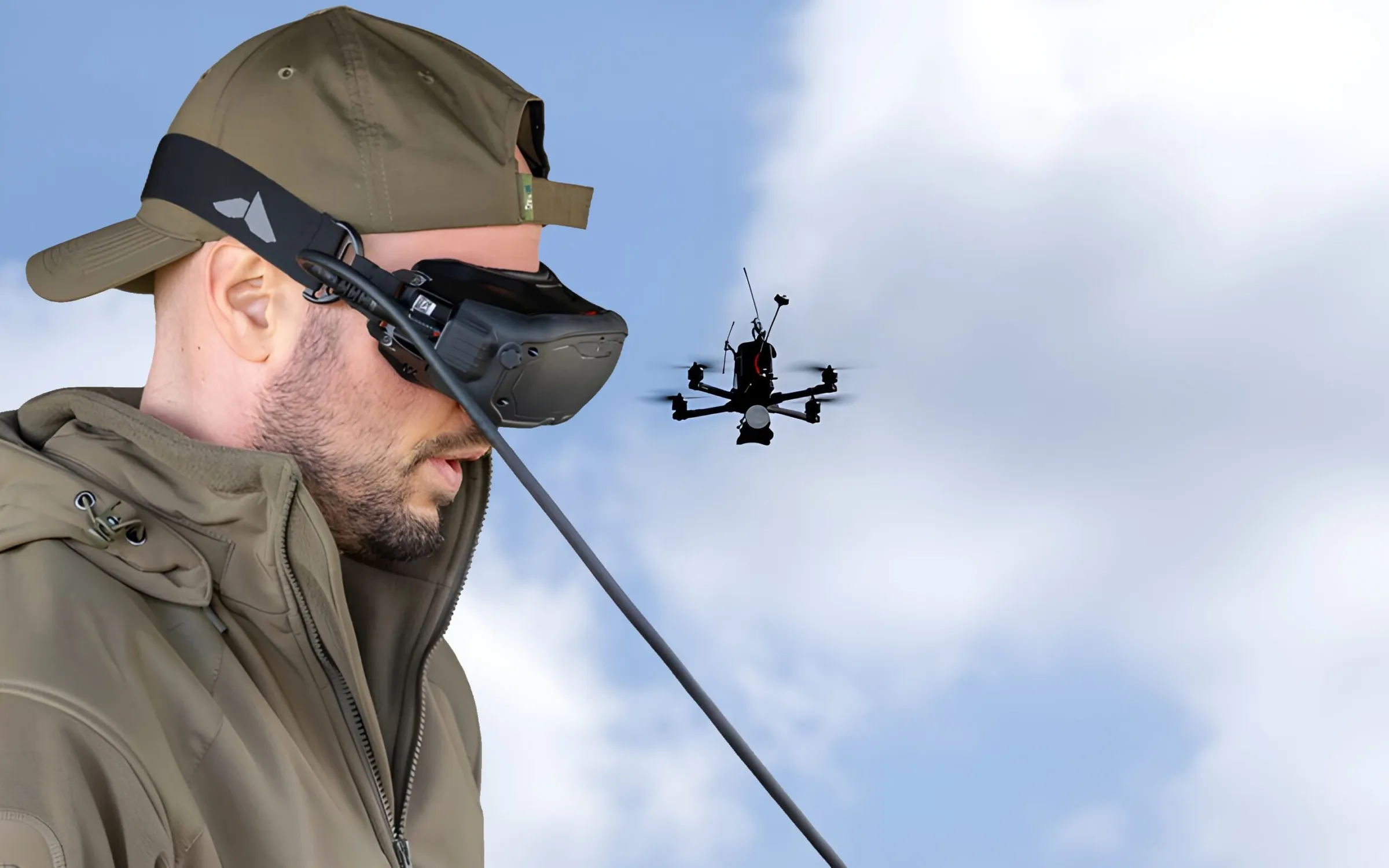
FPV drones in Ukraine: dual radio and fibre-optic control to raise hit rates
Supply is no longer the problem; now hit rates count. The drone platoon of First Lieutenant Tetyana Chornovol shows how FPV drones in Ukraine are to become more efficient with hybrid control and AI modules – and what that costs.

Drone warfare in Ukraine: millions of systems, growing ranges and AI in the terminal phase
More drones, more types, more personnel: drone warfare between Russia and Ukraine is growing by every measure. An overview of numbers, ranges, AI modules and ground drones – and of what a peace without verification could mean.

Interceptor drone Zerov-8: Ukraine's The Fourth Law targets Geran-2/Shahed
The Fourth Law became known for its TFL-1 autonomy module for FPV drones. Now it follows up with an autonomous interceptor drone that detects targets using AI – with figures on speed, range and planned radar integration.

Unmanned combat aircraft for the Luftwaffe: Airbus and Kratos aim to make Valkyrie operational by 2029
In Manching, two Kratos Valkyries are being prepared for a first flight with a European mission system. The goal is an unmanned combat aircraft available to the German Air Force from 2029 – alongside the Eurofighter.

Unmanned systems for air and ground: Hoverfly and Overland AI pair tethered drone with ground vehicle
A tethered drone powered by an autonomous ground vehicle: Hoverfly Technologies and Overland AI are linking unmanned systems in the air and on the ground into a joint capability for defence, national security and government agencies.

Kamikaze drone K2: Baykar unveils AI-supported swarm drone
With the K2, Baykar is also following the AI trend: the kamikaze drone is designed to fly in swarms, navigate without GNSS and reach more than 2,000 kilometres. First formation flights over the Gulf of Saros have been completed.
Military drones at "Hedgehog 2025": West Point analysts see a learning effect for NATO
Around ten Ukrainian drone pilots put entire NATO formations under pressure during the exercise in Estonia. Two retired officers assess what military drones really mean for tanks, doctrine and training – and what they do not.

Counter-drone defence with AI: Valkyrie Aero upgrades Embraer A-29 Super Tucano with Gunslinger
Brazil's Embraer and US-based Valkyrie Aero are cooperating: the Gunslinger AI suite is to enable the A-29 Super Tucano to make better counter-drone decisions – from detection to engagement.

Interceptor drones within a year: five NATO countries launch the LEAP programme
Germany, France, Italy, Poland and the United Kingdom want to jointly develop low-cost interceptor drones and autonomous platforms. Behind LEAP lies the question of how cheap drones can be defeated without expensive missiles.

Military drones at “Steadfast Dart 2026”: Baykar TB3 launches from “TCG Anadolu” in freezing cold
First time in an amphibious operation and first time in a NATO exercise: at “Steadfast Dart 2026” in the Baltic Sea, the Turkish Navy deployed three Bayraktar TB3 military drones from the deck of “TCG Anadolu”. The major exercise involves around 10,000 personnel from 13 nations.

Counter-drone defence with APKWS II: BAE Systems wins US Air Force contract for new rocket variant
Laser plus infrared in the seeker: BAE Systems is to deliver a new variant of the APKWS II rocket for counter-drone defence. The ceiling is around 122 million euros, the delivery order around 56 million. The European counterpart used by Austria's Bundesheer is also being developed further.

Drone warfare at Hedgehog 2025: Ukrainian pilots knock out entire NATO battalions
Ten Ukrainian drone pilots, 17 armoured vehicles destroyed in simulation within half a day: the exercise in Estonia shows how drone warfare makes the battlefield transparent – and why the result has alarmed NATO.