





Military drones at "Hedgehog 2025": West Point analysts see a learning effect for NATO
Around ten Ukrainian drone pilots put entire NATO formations under pressure during the exercise in Estonia. Two retired officers assess what military drones really mean for tanks, doctrine and training – and what they do not.
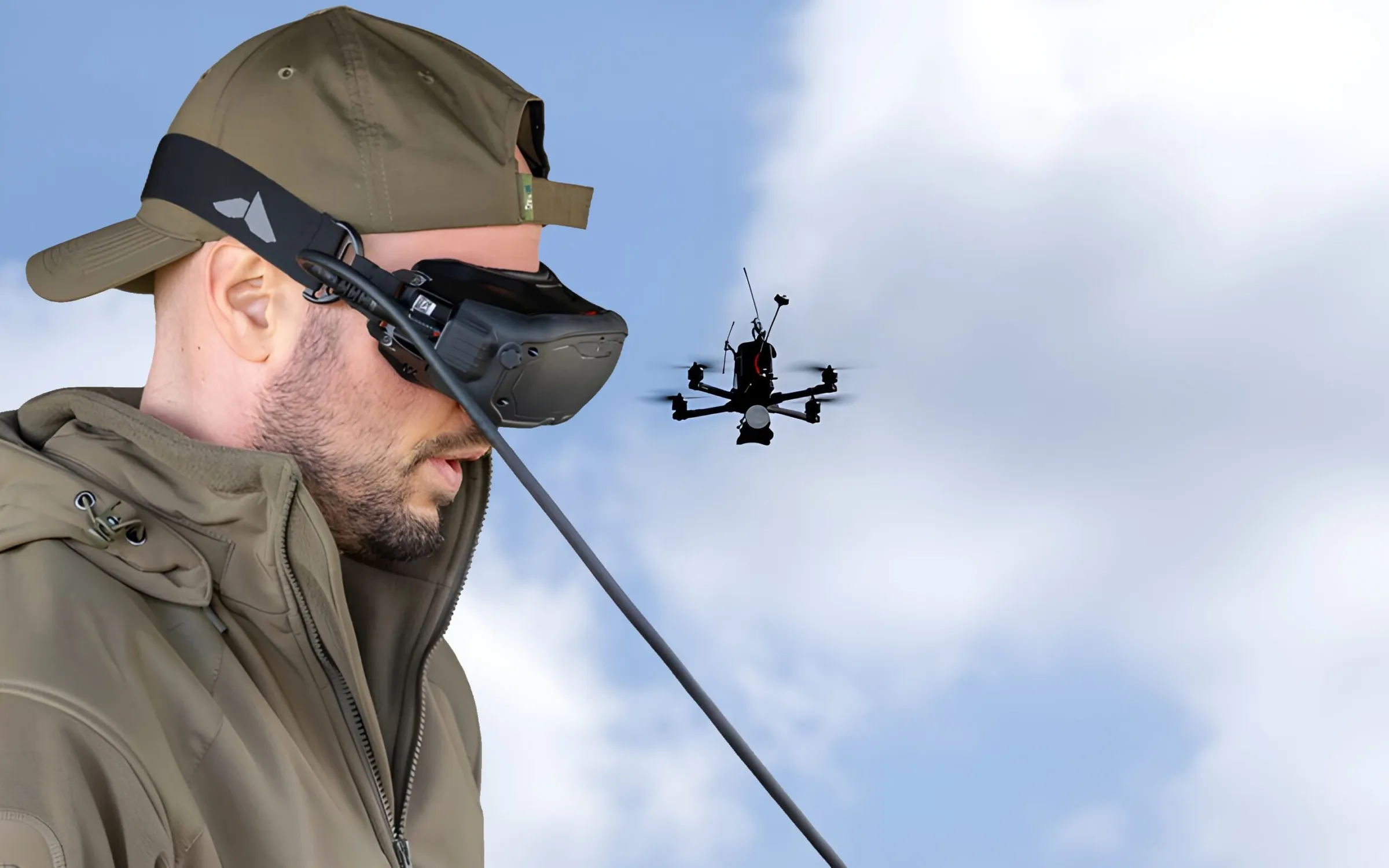
What lessons can be drawn from "Hedgehog 2025"? At the Modern War Institute at West Point, analysts compare the experience of the NATO exercise with earlier upheavals in military history. In May 2025, the Alliance rehearsed in a large manoeuvre in Estonia how it would respond to a simulated Russian invasion. Playing the opposing force (OPFOR) was a small group of Ukrainian drone pilots who pressed the NATO troops hard with military drones and tactics reflecting the state of the art in drone technologies.
The scenario: Russia invades Estonia, and NATO responds under Article 5 with more than 16,000 soldiers from 12 member states.
Around 10 Ukrainian pilots were enough to knock out 17 armoured vehicles and 30 other targets in simulation within half a day. The NATO forces clearly struggled to counter the threat from the air – an indication of shortcomings in training, tactics and equipment.


From the machine gun to military drones
After the introduction of the Gatling gun and its development into the machine gun, experts prophesied the end of the infantry. As is well known, this did not happen. There are many parallels between the institutional response to the machine gun at the beginning of the last century and today's response to drones— Colonel Charles S. Oliviero and Lieutenant Colonel Phil Halton (both retired) in their analysis
From the perspective of mechanised warfare, drones represent another threat to armoured vehicles – one of many. Sweeping claims about the end of armoured vehicles or, more precisely, about the obsolescence of the main battle tank are familiar to all who have served in mechanised forces— the analysts
Similar arguments, they say, accompanied anti-tank guided missiles, attack helicopters and even remotely delivered scatterable mines. None of these made tanks and other armoured vehicles redundant.
Drones make the situation more dangerous when crews are inadequately trained or – worse still – wrongly employed. The two former soldiers point out that "new technologies have regularly influenced military tactics, doctrines and force structure and shifted the advantage from one weapon system to another".
Their central concern is doctrine: current tactics must be adapted to the rapid spread of the new technology. The authors consider hastily integrating drones into NATO formations the wrong approach. What really matters, they argue, is finding out how drones best fit into the armed forces. To regain mobility on the battlefield, their capabilities must be countered.
No technology has yet replaced the principles of combined arms combat. Drones can readily be integrated into NATO formations – but they cannot replace the shock power of tanks or the infantry's ability to hold positions, nor constant mobility, nor engineers in engaging ground troops, nor artillery with its sustained ability to engage the enemy. Above all, no drone takes, controls or holds terrain.

The technical capabilities of weapons are important, but they pale in comparison with the human factors of leadership, skill, tactics and training. Skill, aggressiveness and smart tactics will always overcome technology— the two retired officers in conclusion
Photo credits
© Eesti Kaitsevaegi · © Eesti Kaitsevägi
Continue exploring

Loitering munition Virtus from Stark: 45th Armoured Brigade “Litauen” tests it at “Freedom Shield 2026”

Drone stations for maritime surveillance: Rift begins tests off the French coast

Sea drones for the Baltic: Sweden buys surveillance from Saildrone as a service

Maritime drones: Eviden unveils SMX, an electromagnetic navigation sensor
