





Counter-UAS: Kongsberg selects Echodyne MESA radar for Protector weapon stations
Kongsberg Defense & Aerospace has selected Echodyne's MESA radar platform. Counter-UAS with the Protector RS4 and RS6 weapon stations is among the first applications, and further air and surface missions are under review.
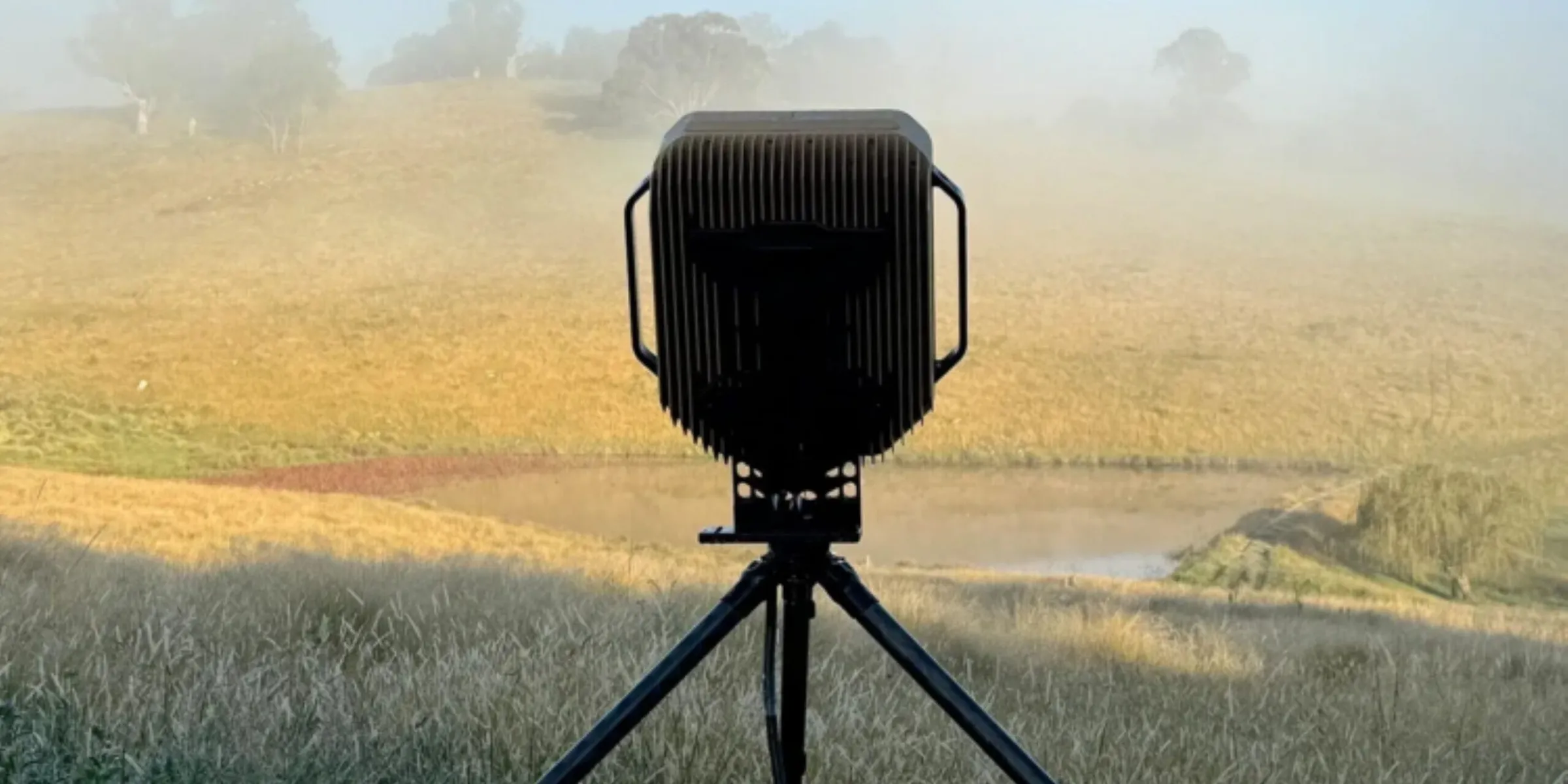
Kongsberg Defense & Aerospace has selected Echodyne's MESA radar platform for a range of air and surface applications, Echodyne announced today. Among the first use cases is integration into the Protector RS4 remote weapon station (RWS) and the Protector RS6. There, the radar supplies the precise data intended to turn the RWS family into an effective means of counter-UAS defence (counter-unmanned aircraft systems, C-UAS), that is, defence against unmanned aircraft.
Kongsberg contributes its weapon station architecture and its collaborative fire control capabilities, Echodyne its compact solid-state radar. Both sides expect this to provide a “scalable approach to equipping static, crewed and unmanned platforms with high-precision detection, tracking and targeting data”. Compared with powerful electronically steered array radar systems of traditional design, the MESA radar is smaller and lighter and needs less power.
Eben Frankenberg, CEO of Echodyne, said: “Kongsberg has set the standard for remote weapon systems through decades of operational experience, disciplined engineering and close collaboration with operators.” He added: “Integrating MESA radar gives the Protector family the precise, stable and persistent tracking data required to cue the fire control system, maintain target lock and act decisively against fast-moving, low-signature drone threats.”
Counter-UAS needs stable track data for fire control
How effectively fire control works depends heavily on the quality of the radar track data. The MESA radar determines precise values for range, range rate, bearing and kinematics. At the same time, it tracks the target with the stability and persistence that calculating and executing a firing solution requires. By stabilising the optical fire control system and pointing it at a target, the radar supports the weapon station in three ways: target lock is held longer, less time passes between detection and engagement, and the probability of a hit rises against agile threats with a small radar cross-section.
If the radar measures range and range rate accurately, the timing can be set so that air-burst ammunition takes effect at the right point of the projectile's trajectory. In networked operations, a cooperative search radar or another sensor hands a target track to the radar-equipped RWS. The local MESA radar refines this track and then maintains it for fire control. Following this sequence, “search, cue, track, engage”, distributed systems share the air picture, assign targets and quickly switch to new targets while eliminating threats.
Several years of field trials
Echodyne and Kongsberg have spent several years integrating, testing and demonstrating the radar-based solution. Applications for high-performance radar in air and surface missions across the Kongsberg portfolio, beyond the various Protector integrations, are also under review. The press release concludes: “The companies intend to continue their joint technical work, focusing on resilient sensing, networked fire control and scalable protection against rapidly evolving threats.”
Photo credits
© Echodyne
Continue exploring

Sea drones from Ukraine hit corvette “Merkuri” in Benghazi and freighter “Ascalon” off Libya

Drone strikes on Russia hit oil and missile industry in Magyar's autumn offensive

Fixed-wing drones and satellites: TRL Defense on networked reconnaissance

Alabuga drone hub takes in workers placed by Ghana and DR Congo for Russia's attack drones
