





MQ-9B: GA-ASI expands ISR capability in Europe with SkyGuardian and SeaGuardian
Belgium, Poland and the United Kingdom already rely on the MQ-9B. GA-ASI points to endurance, NATO integration, a British type certificate and software that allows a single operator to run the entire ISR sensor suite.
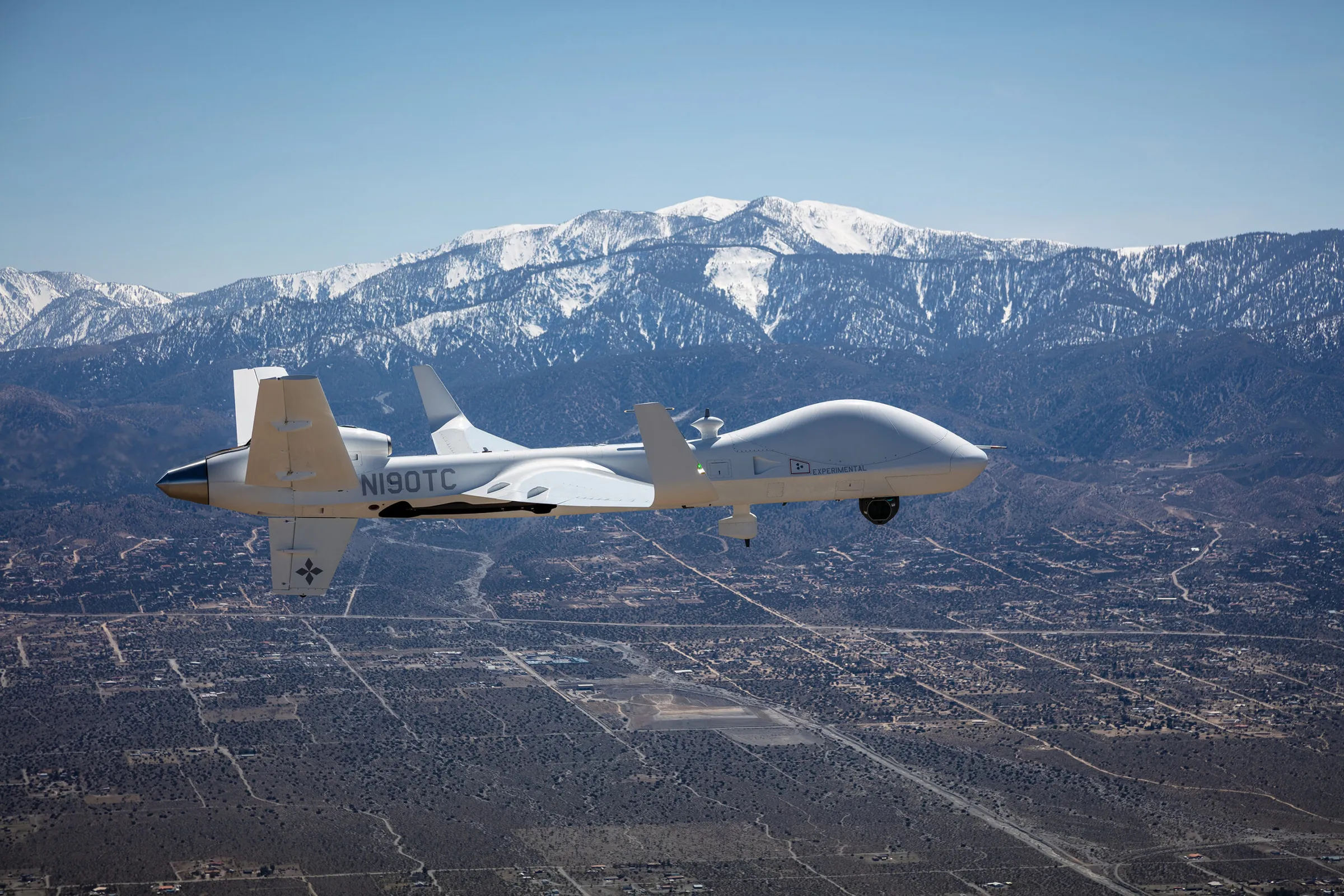
GA-ASI's MQ-9B SkyGuardian® and its maritime counterpart SeaGuardian® are the first choice of nations in Europe and around the world for airborne surveillance and reconnaissance missions. The background is a security environment that has not been as unstable in Europe as it is today since the Cold War. Where the threat is this dynamic, avoiding further conflict requires reliable, trustworthy information.
Unmanned surveillance capabilities to support critical overland operations are needed: European heads of state and government have made this clear. Only those who detect hostile activity early can prevent it from undermining peace. The MQ-9B brings the prerequisites for this.
Belgium, Poland and the United Kingdom have therefore acquired the system, and further international users are continually joining them.
MQ-9B: endurance and a broad range of missions
Both variants build on a proven platform and go well beyond the already highly capable MQ-9A. Because the design is derived from an existing one, users get a new unmanned aircraft system (UAS) for a fraction of the cost of competing products or a new development. The aircraft's endurance is unmatched in its class: in some configurations it exceeds 30 hours. On top of this come a range of further capabilities that are continuously being developed.
Among UAS, the MQ-9B is the Swiss Army knife. It is suited to anti-surface and anti-submarine warfare as well as to strike and signals intelligence. The system is also hardened against hybrid electronic and kinetic attacks, which increases its survivability against threats from rivals.
The range of missions, the flexibility and the growing number of systems in Europe open up opportunities for closer military cooperation among European partners. Greater commonality across the continent can also reduce operating costs.

The broader the customer base in Europe becomes, the greater the interoperability countries can achieve. Mutually beneficial arrangements, such as cross-border maintenance contracts or the stockpiling of spare parts, allow even closer security relationships.
SkyGuardian and SeaGuardian are designed from start to finish to fit seamlessly into NATO networks and existing systems of systems. The MQ-9B needs no special arrangements even in busy civil airspace.
In May, the UK Military Aviation Authority granted the MQ-9B a military type certificate. It certifies that the system has passed a rigorous airworthiness assessment and can be operated safely without geographical restrictions, including over densely populated areas.
For a large unmanned aircraft system, this was a unique milestone. It paves the way for the MQ-9B to overcome comparable restrictions elsewhere in Europe.
Disruption through software
SkyGuardian and SeaGuardian are equipped with industry-leading ground control systems based on the advanced software environment of General Atomics. The GA-ASI software turns sensor data into a clear picture of the situation; operators receive actionable information and are guided intuitively.
All of the company's advanced software products, capabilities and people come together in its systems. This opens up the latest advanced computing technology, including autonomy, artificial intelligence and machine learning.

On the MQ-9B, the software fuses data from several sensors into a single common operating picture. In practice, a single operator of a SeaGuardian or SkyGuardian can thus run a complete intelligence, surveillance and reconnaissance (ISR) sensor suite instead of needing a separate specialist for each payload.
Flying several aircraft is also possible in the GA-ASI software environment. Through advanced target correlation / machine learning, operators benefit from autonomy.
The bottom line is that operators gain a better overall picture, and flight and sensor operations are optimally coordinated. The result is a better, more effective system that requires less training and a smaller crew.
Thanks to the software, the MQ-9B can also use the latest developments in command and control. High-quality sensor data creates enormous bandwidth demand and can overwhelm the limited low Earth orbit satellite links that provide global internet coverage. GA-ASI solves this with software that scales the data so that a secure commercial satellite link can carry it without difficulty.
Unmatched endurance and constantly growing capabilities that reduce manpower as well as training and infrastructure requirements: this has made the MQ-9B the first choice for allied nations around the world.
Photo credits
© General Atomics · © Royal Air Force
Continue exploring

Loitering munition: Cerberon and DND test Modular Lethality Kit in free flight

Tactical drones from Spain: Indra to build 147 Tarsis for the armed forces
Laser weapons for counter-UAS: Aerovironment to supply Locust X3 to the Middle East

Drone manufacturer Tekever: France orders 15 AR3 Evo, plant in Cahors opened
