





Combat drones for Ukraine: Helsing is producing a further 6,000 HX-2
A first order for 4,000 units is followed by the next: Helsing is building the HX-2 in series and intends to spread the production of combat drones across several Resilience Factories in a decentralised way throughout Europe.
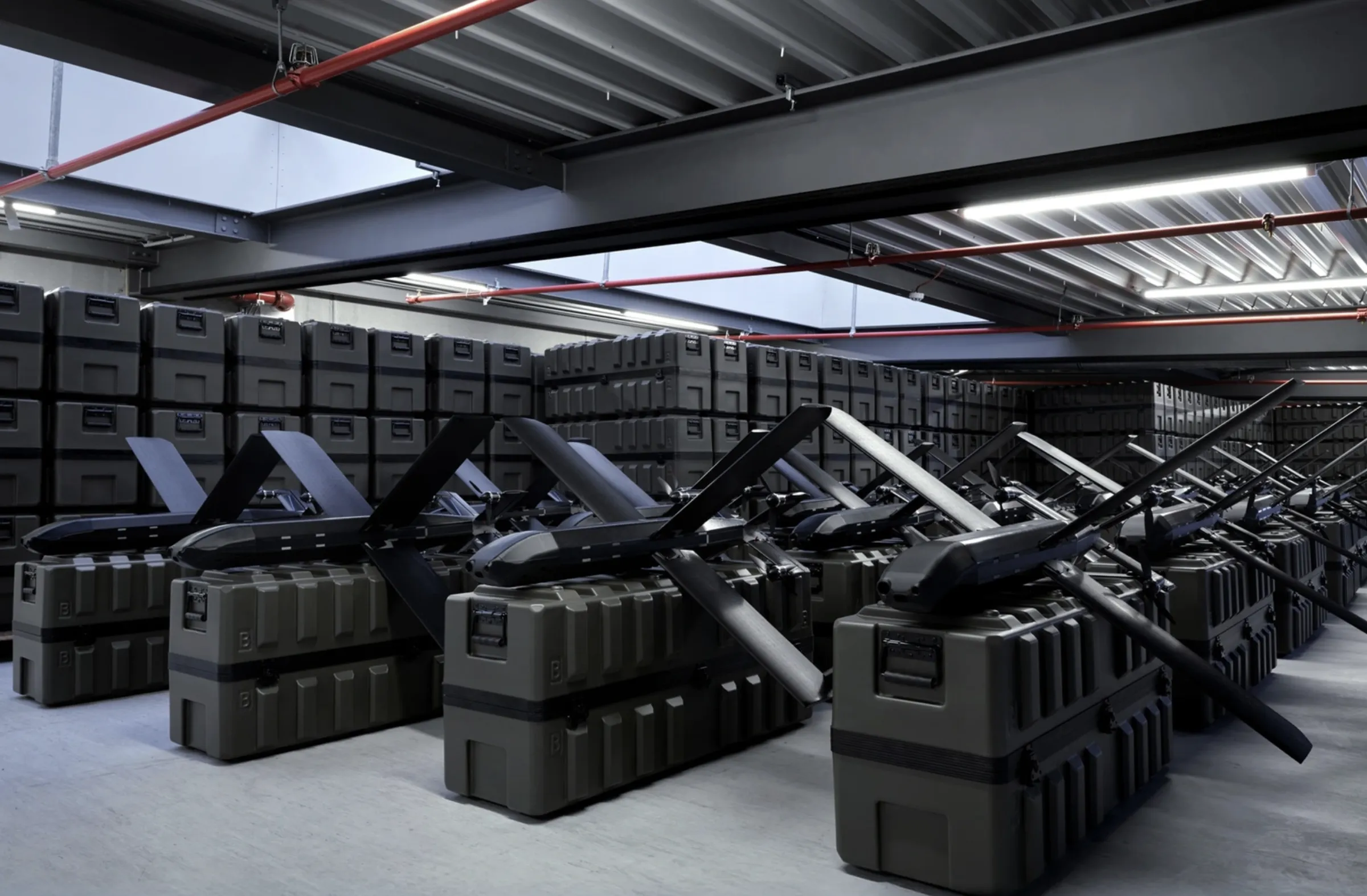
The technology company Helsing says it is producing a further 6,000 HX-2 combat drones for Ukraine. This follows an order for 4,000 units, which are being built together with Ukrainian partners and are already being delivered. With the new order, Helsing joins the ranks of the world's largest producers of combat drones.
Helsing first presented the HX-2 at the end of 2024. The precision drone in an X-wing configuration is electrically powered and has a range of up to 100 kilometres. According to the company, artificial intelligence on board is intended to make it “resistant to electronic warfare and jamming”. Using Altra, Helsing's reconnaissance and control software, several HX-2 can reportedly be combined into a swarm controlled by a human operator.
Combat drones from the Resilience Factory
The HX-2 system was consistently designed for mass production from the outset; per unit it costs significantly less than conventional systems. It is manufactured in the first Resilience Factory (RF-1), which Helsing has opened in southern Germany and which can turn out 1,000 HX-2 drones a month. The company describes the plants as “highly efficient production facilities that enable nation states to manufacture locally and sovereignly”. Following this model, additional plants are to be built at several locations across Europe so that tens of thousands of units a month can roll off the line in the event of a conflict.
Founders bet on decentralised production
“We are ramping up HX-2 production in parallel with new orders. The war in Ukraine (-> latest news from the war in Ukraine) shows every day that modern, precise technology can compensate for numerical disadvantages against older systems. NATO must quickly draw the right lessons from this. With our Resilience Factories, we are focusing on decentralised mass production throughout Europe. This allows individual countries to produce directly on site and retain control over production and the supply chain.”— Gundbert Scherf, co-founder of Helsing
“We have brought together Europe's brightest minds to develop the mass production of the future. Our Resilience Factories rely on software-based design and scalable production techniques. This way we solve complex problems with software rather than with elaborate electronics. This enables rapid production, strengthens deterrence and protects our democracies. HX-2 is only the beginning – further products will follow on this principle.”— Niklas Köhler, co-founder of Helsing
Photo credits
© Helsing
Continue exploring

Loitering munition Virtus from Stark: 45th Armoured Brigade “Litauen” tests it at “Freedom Shield 2026”

Drone stations for maritime surveillance: Rift begins tests off the French coast

Sea drones for the Baltic: Sweden buys surveillance from Saildrone as a service

Maritime drones: Eviden unveils SMX, an electromagnetic navigation sensor
