





Counter-UAS & Counter-Drone Technology
Drone detection, tracking and defeat: counter-UAS technology, news and analysis for the military, police and critical infrastructure.

Unmanned systems in focus: US Marine Corps plans more than 6,500 additional billets
Drones, robotics, artificial intelligence, air defence and precision fires: the USMC aims to grow its personnel within five years so that unmanned systems and other modern weapons have enough trained personnel.

Blaze interceptor drone: Origin and WITU unveil new Polish fragmentation warhead at MSPO
Directed fragmentation, a weight of 700 grams and arming that can be reversed in flight: Latvia's Origin and Poland's WITU are presenting the Blaze interceptor drone in Kielce with a purpose-built warhead.
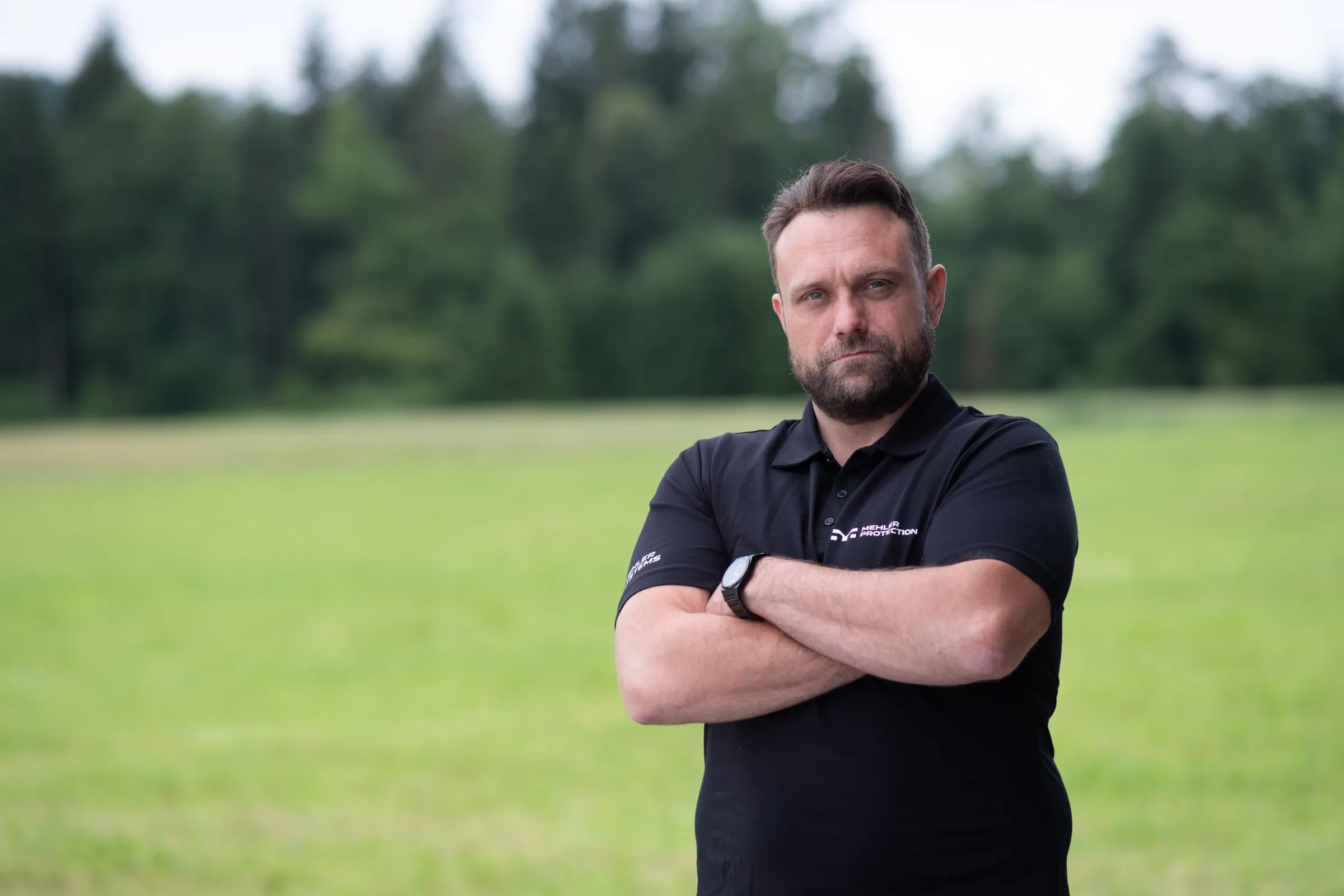
SCILT counter-drone system: Mehler interview on close-range protection against drones
SCILT counter-drone system: Mehler Protection Platform Armour is developing an active hard-kill solution for close-range protection against drones and loitering munition. Denis Weber explains the gap in the “last layer of defence”, the platforms and the planned AI-supported automation.

Counter-UAS for the fleet: Royal Netherlands Navy retrofits warships with interceptor drones
A contract signed on 24 August brings kinetic interceptor drones to Dutch warships. The counter-UAS system originally comes from land-based use; the supplier and type have not been disclosed.

Drone shield SAN: “We are building Europe's largest drone shield”
Poland's drone shield SAN is to become Europe's most comprehensive counter-drone defence. Cezary Tomczyk, Poland's deputy defence minister, is in charge of building it. A conversation about billions, Poland's armed forces and the protection of the eastern border.

Counter-UAS laser: Inleap Photonics raises 20 million euros for series production
UVC Partners leads the seed round, joined by four further investors from Germany, Poland, Estonia and Denmark. Inleap Photonics plans to use the money to build its counter-UAS laser effectors in larger numbers and to expand in Europe.


Unmanned systems for the Swiss Armed Forces: DDPS plans “Eiger” centre, drone battalion and recruit school
More drone flights over military and critical sites and a changed threat situation: the DDPS is focusing on unmanned systems, counter-drone defence and robotics. The location, budget and opening date of the new centre are, however, still open.

Jet-powered interceptor drone: Ukraine approves Alexa Spatium for its armed forces
Fast Russian kamikaze drones are the main target: with Alexa Spatium, Ukraine receives its first interceptor drone with a turbojet. If it misses its target, it can return. The ministry is silent on speed, range and altitude.
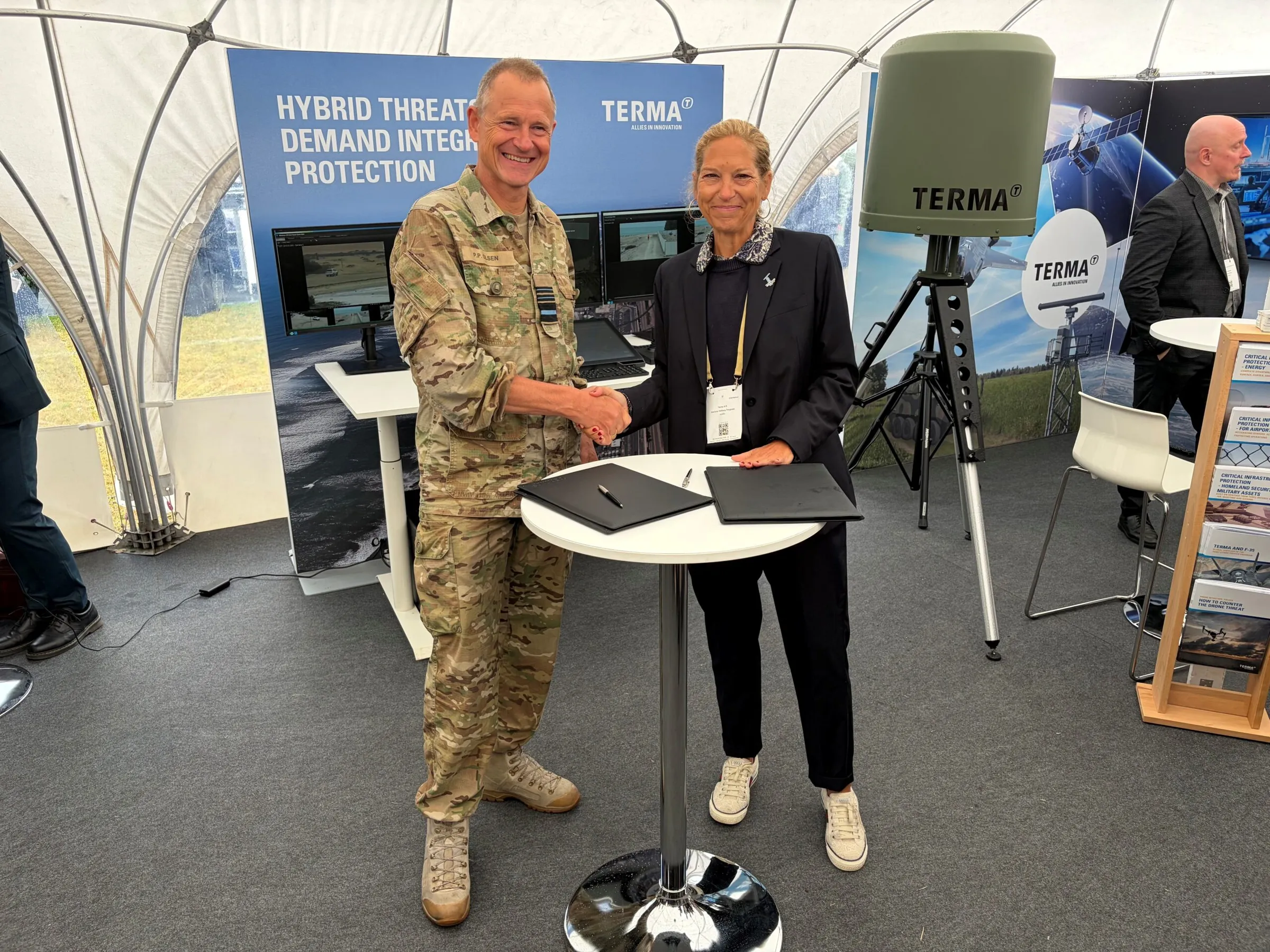
Counter-UAS in Denmark: Terma to create a nationwide drone situational picture
The military, authorities and infrastructure operators have so far processed their sensor data separately. A DALO contract with Terma is to change that: based on Helion and the FACE platform, a common situational picture is being created for Danish counter-UAS.

Acoustic counter-drone system: India’s CSIO brings down drones via their motion sensors
No ammunition, no laser: a new acoustic counter-drone system from India uses sound to throw the MEMS gyroscopes of drones off balance. CSIO is now looking for industrial partners for series production and marketing.

Drone testing in Romania: army opens training areas to private companies
Romania's Land Forces are inviting companies onto their firing ranges in September and October. The drone testing will focus on drones and counter-UAS systems under near-combat conditions – following the American model.

Geran drones with jet propulsion: Russia turns to faster Geran-4 and Geran-5 against Ukraine
Up to 600 km/h, up to 90 kilograms of explosives, video partly via satellite: Russia is switching production of its Geran drones to the new Types 4 and 5. Ukraine is responding with faster interceptor drones.

Counter-drone defence: new law raises questions for critical infrastructure
Under the RKEG, in force since March, operators of critical infrastructure must significantly strengthen their resilience. Lawyer Bernhard Müller sees considerable legal uncertainty, particularly when it comes to counter-drone defence.