





Kamikaze drone Blyskavka: Ukraine copies Russia's plywood “Lightning”, the Molniya
With Blyskavka, Ukraine presents a kamikaze drone modelled on a Russian design. Donations funded the development and construction of the first 350 units; for now, special forces are operating it.

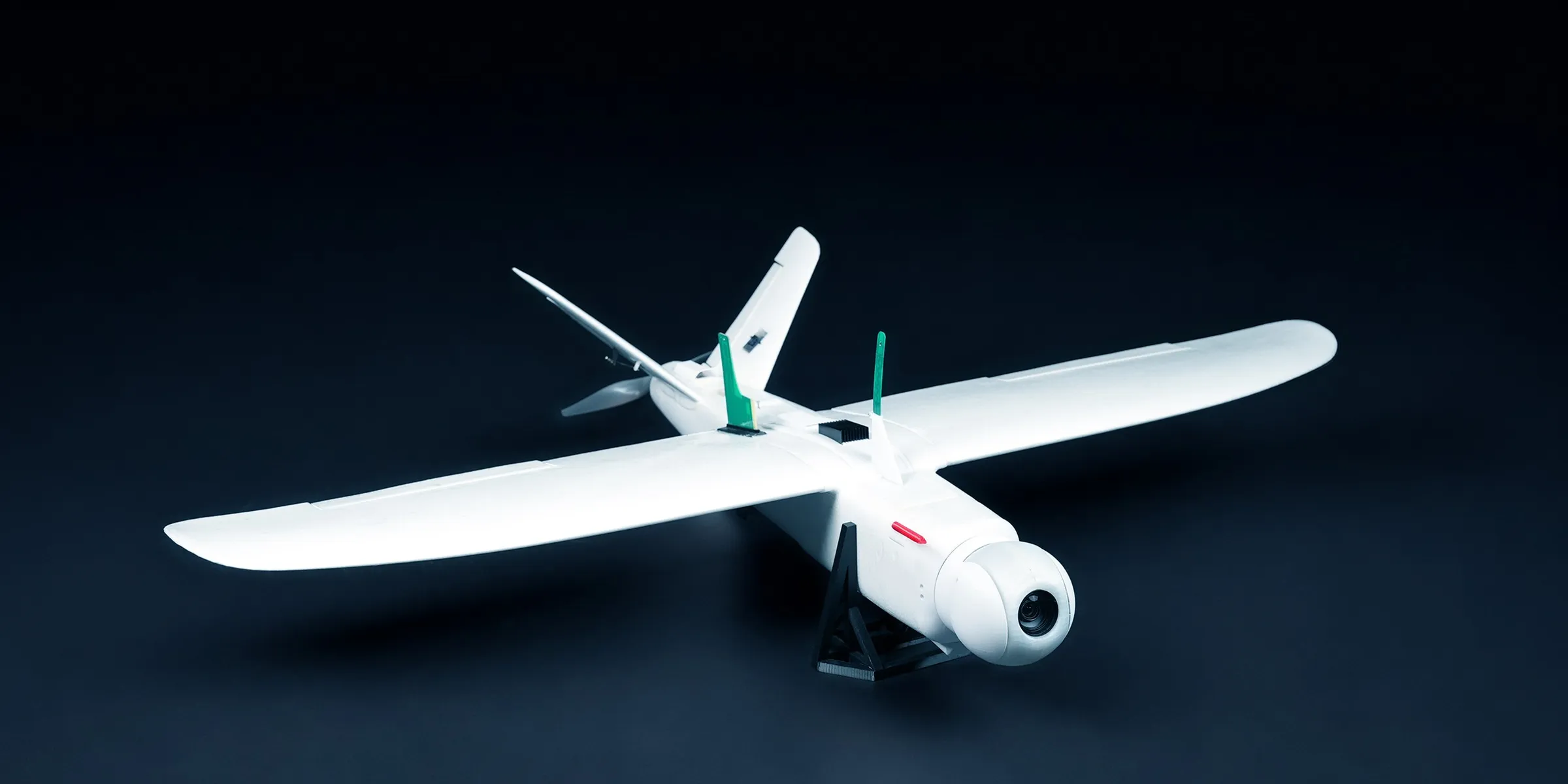
Ukrainian engineers have unveiled their own counterpart, Blyskavka: a copy of the Russian kamikaze drone Molniya. Even the name is the same, as “Блискавка” in Ukrainian simply means “lightning”, just like “Молния” in Russian.
According to official figures, Blyskavka has a maximum range of 40 kilometres, climbs to an altitude of 2,000 metres and carries a payload of up to 8 kilograms. Its performance is therefore comparable to that of the Russian original, which is credited with a payload of five to seven kilograms, depending on configuration, and a range of up to 30 kilometres.

The fundraising campaign that paid for the development and construction of the first 350 units collected 258,000 euros. Each winged kamikaze drone therefore costs 737 euros. For now, Blyskavka is in service with the 8th Separate Special Forces Regiment of the Special Operations Forces of the Armed Forces of Ukraine.

Kamikaze drone made of aluminium, plywood and plastic
Two aluminium rods form the basis of the fuselage. They are held together by plywood elements that are glued and screwed. The wing of the Ukrainian “Lightning” is made of foamed, film-covered plastic, with an aluminium profile serving as the wing spar. The Russian version, by contrast, uses two wooden profiles as wing spars.
Blyskavka is powered by two motors in nacelles beneath the wings, exactly as on the improved Molniya-2. The Ukrainian model lacks the aerodynamic fairing that Russia fits to the second generation of its Molniya.

Both sides want to reduce the cost of expendable munitions and have neither the time nor enough money for endless development and testing. Ukraine studied and copied captured Russian Molniya drones because the Molniya is as cheap as possible and simple in design and components. In the end, as in Russia, the volumes in which Blyskavka reaches the troops will determine its operational success.
Photo credits
© Archiv
Continue exploring

Mine countermeasures with unmanned systems are changing maritime warfare

Drone protection strategy assigns responsibilities and procurement goals
Reconnaissance drones from Ukraine to be built in Germany with EUR 34 million
Unmanned ground vehicles from ARX Robotics join British Asgard network
