





Counter-UAS with open architecture: Lockheed Martin shows new solution in field tests
Detect, track, identify, defeat: in a first series of field tests, Lockheed Martin has demonstrated a scalable, layered Counter-UAS system. Further demonstrations are to follow in the coming weeks and months.
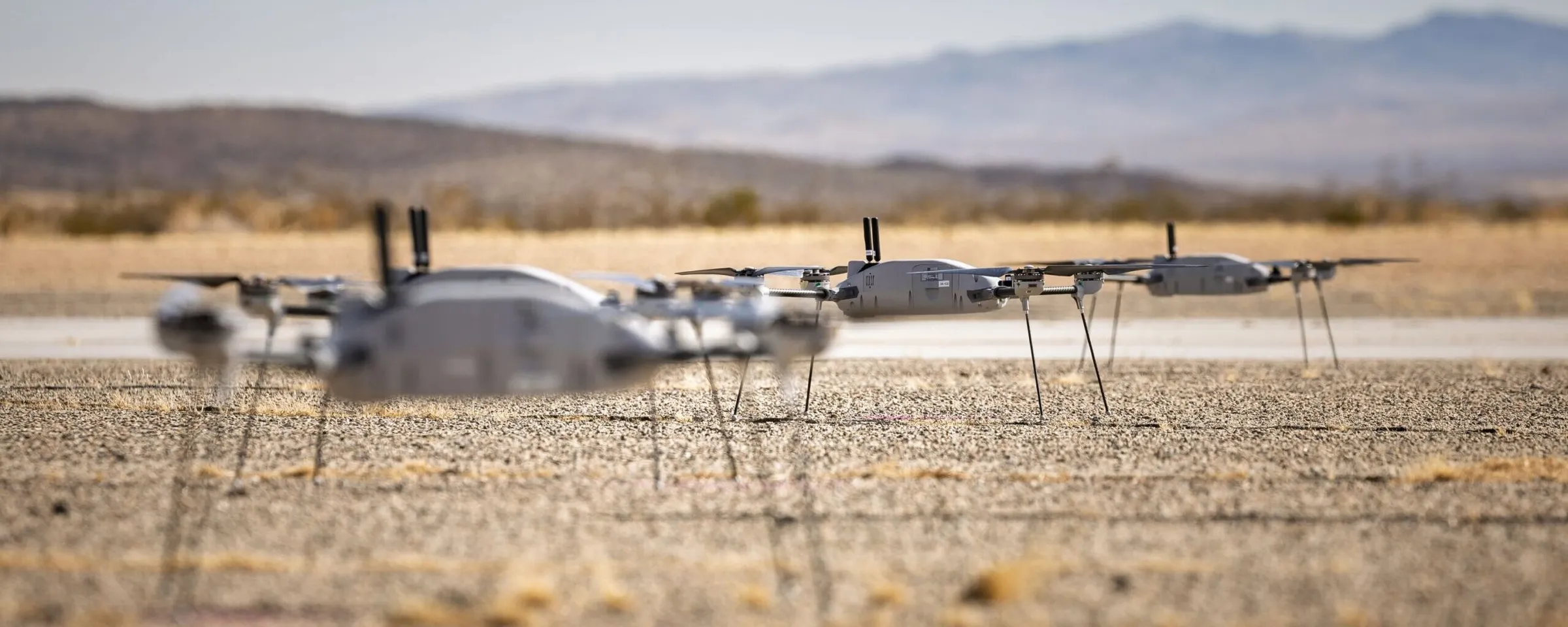
Lockheed Martin recently demonstrated a new Counter-UAS approach against small unmanned aircraft systems (UAS) in a series of field tests. The series was the first in a set of demonstrations intended to show what the company's scalable, layered defence system can do. It can detect, track, identify and defeat UAS.
The Counter-UAS solution is built on an open architecture. It combines combat-proven command and control systems with detection and tracking software supported by artificial intelligence (AI), as well as low-cost sensors and additional effectors. The system is designed to be ready for use quickly and to integrate seamlessly with other systems.
“Integrating different sensors through a user-optimised command and control (C2) system simplifies threat identification, and we have the complementary technology portfolio to turn collected data into actionable information,” says Tyler Griffin, Director of Counter-UAS at Lockheed Martin. He also held out the prospect of further improvements in the near future: “Our open architecture approach provides an agile, layered defence solution that accelerates outcomes against this dynamic threat. This foundational demo shows how we can deliver the mission today and sets the stage for what Lockheed Martin and our partners will achieve in the coming weeks and months.”
Modular counter-drone defence with AI software
Because the system is modular, sensors, effectors and command and control (C2) extensions can be integrated quickly – making it flexible and adaptable. This also makes it easier to integrate the latest technologies in future. In addition, the AI-driven software strengthens detection, tracking and defeat capabilities. Since the system connects seamlessly with other systems, rapid coordination is possible.
Speed is decisive: often only a few minutes remain to detect, track and engage a drone swarm. Sensors must therefore be able to communicate without delay with a C2 system that classifies targets, assigns them to interceptors and manages many engagements in parallel.
Photo credits
© Lockheed Martin
Continue exploring

Loitering munition Virtus from Stark: 45th Armoured Brigade “Litauen” tests it at “Freedom Shield 2026”

Drone stations for maritime surveillance: Rift begins tests off the French coast

Sea drones for the Baltic: Sweden buys surveillance from Saildrone as a service

Maritime drones: Eviden unveils SMX, an electromagnetic navigation sensor
