





Counter-UAS on the ISV: Droneshield brings DroneSentry-X Mk2 to US military vehicles
Around 80 days from contract to initial operational capability: under the contract with JIATF-401, Droneshield has mounted its counter-UAS systems on Infantry Squad Vehicles and had them accepted. Three further units are to follow.
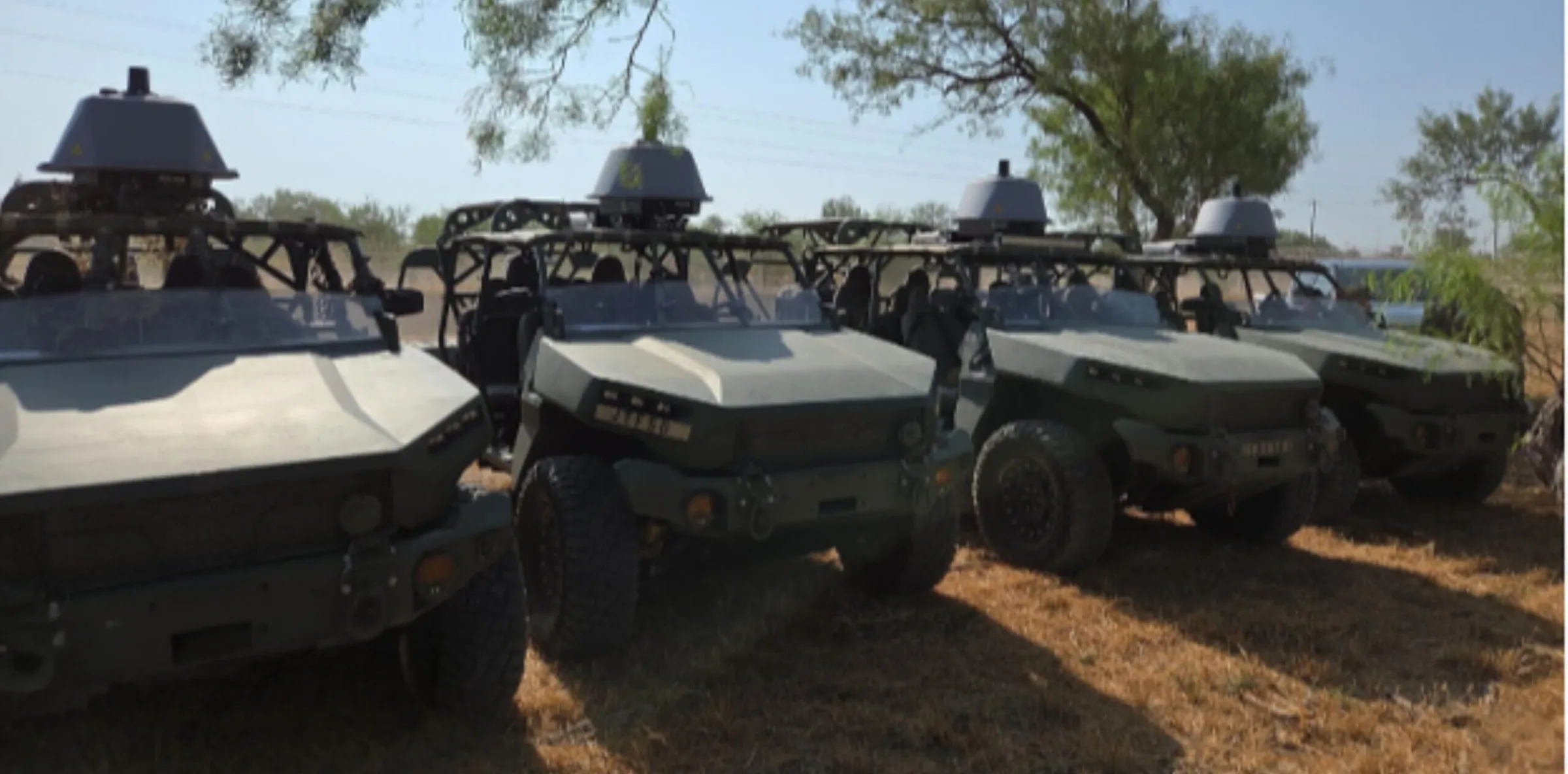
The DroneSentry-X Mk2 counter-UAS (C-UAS) systems have been installed and accepted on the Infantry Squad Vehicles (ISVs) of the US military, Droneshield announced. The work was carried out under the previously announced contract with Joint Interagency Task Force 401 (JIATF-401). With its completion, the technology has reached initial operational capability.
Milestone after around 80 days
This milestone was reached about 80 days after the contract was awarded. In the programme, Droneshield was responsible for delivery, vehicle integration, acceptance testing and operator training. A recent contract modification provides for the installation of three additional DroneSentry-X Mk2 units.

DroneSentry-X Mk2 provides vehicle-mounted detection and electronic countermeasures against unmanned aerial threats. Because it sits directly on the ISV, the forces gain a capability to counter unmanned aircraft systems (UAS) that they can use both on the move and stationary – extending protection beyond established bases and fixed infrastructure. US forces completed the installation in the vehicles together with Droneshield staff; they also carried out a full acceptance test of the system using unmanned aircraft.
Counter-UAS capability must be deployable as quickly as the threat evolves— Nate Webb, Director of Strategic Projects at Droneshield
In around 80 days, our team went from contract award through delivery, vehicle installation and acceptance testing with live UAS to operator training. Reaching initial operational capability is an impressive demonstration of what it takes to turn a counter-UAS requirement into an operational solution in the field.— Nate Webb
Small unmanned aircraft increasingly shape the operational environment. The threats they create are mobile and low-cost, and can hardly be managed with purely stationary countermeasures. With C-UAS systems mounted on vehicles, forces can take detection and electronic countermeasures with them on the move. This creates an additional layer of protection where permanent infrastructure is lacking or impractical.
Counter-UAS for JIATF-401
The JIATF-401 programme builds on more than ten years in which Droneshield has specialised in countering UAS, as well as on the company's growing support for US Department of Defense requirements. It develops RF sensing technology, electronic countermeasures, command and control software and AI-enabled technologies – for dismounted use, in mobile units and at fixed sites.
We know that there is no silver bullet to defeat every drone threat and that counter-UAS capabilities go beyond technology— Brigadier General Matt Ross, US Army, Director of JIATF-401
The threat is constantly changing, and our work at the southern border is not yet finished. We will continue to work with USNORTHCOM, JTF-SB and our interagency partners to deliver the capabilities our soldiers need to stay one step ahead of the threat – together with effective training and authorities that enable them to make the right decisions when countering drone threats at home and abroad.— Brigadier General Matt Ross
Photo credits
© DroneShield
Continue exploring

Loitering munition Virtus from Stark: 45th Armoured Brigade “Litauen” tests it at “Freedom Shield 2026”

Drone stations for maritime surveillance: Rift begins tests off the French coast

Sea drones for the Baltic: Sweden buys surveillance from Saildrone as a service

Maritime drones: Eviden unveils SMX, an electromagnetic navigation sensor
